

Click Here To Join Our Vibrant Facebook Group And Get Much More Great Health & Wellness Information.
We’re all prone to a little indulgence from time to time, but rich food and overeating can play havoc with your digestion, leaving you bloated and uncomfortable. It’s not surprising – to give an example we can consume on average 6,000 calories per meal alone on holidays. That’s three times the recommended daily intake for woman!
There are a variety of reasons why the holidays create more tummy troubles than the rest of the year:
- You often eat more than you usually would, putting pressure on the digestive system.
- You might be drinking a lot more when you eat – whether it’s prosecco red or white wine – and this dilutes stomach acid, making it harder to properly digest your food.
- More rich, creamy foods than you’re used to can trigger heartburn or reflux or else make IBS symptoms worse.
Though some food and drink can be tough on the digestive system, it doesn’t have to be this way. Just follow my expert tips to trouble-proof your tummy.

1. USE YOUR SENSES
The first step in the digestive process is often overlooked, but it’s a really important one. Known as the cephalic phase, it’s triggered when you see or smell food. You are literally whetting your appetite.
It may sound an incredibly simple step – and it is – but these days we are often so busy that we don’t make the time to think about our food in this way. One trick is to be mindful and try and spend a few minutes thinking about your tasty lunch before you eat it to get the digestive juices going.
2. CHEW YOUR FOOD
Remember what Mum used to say? Well, she was right! Chewing your food (the second phase of digestion) is key when it comes to good gut health. With proper chewing, you are mechanically breaking down the food into smaller pieces, so that there’s a greater surface area and the digestive enzymes can get to work more easily, doing their job.
And the bad news? If you’re not chewing properly, it’s highly likely that you’re not digesting your food properly. And that means you won’t be absorbing the vital nutrients either. Not chewing also means the food you eat takes much longer to break down, and, as it hangs around in your digestive system, it can start to ferment, causing uncomfortable wind, gas and bloating.
Instead try this test: chew your food enough so that if someone asked you to spit it out, they wouldn’t know what you had been eating. Another sign you need to chew more is if you start to see undigested food in your stools.
3. BALANCE YOUR STOMACH ACID
Sales for heartburn tablets are skyrocketing because so many people wrongly assume that their digestive troubles are because of too much stomach acid. What nutritionists like me find more frequently in clinic is the total opposite! Getting older, stress and some over-the-counter medications can make your stomach acid levels drop to the extent that you don’t produce enough to digest food sufficiently.

Why is this important? The stomach acid you produce not only kills any bacteria in the food you are eating, it also breaks down the protein in your meal. If you’re not properly digesting the protein element in food, it can start to ferment, creating gases that force up the esophageal sphincter muscle (a type of muscle flap) and what little stomach acid there is can escape. So the burning feeling, especially if accompanied by smelly gas, can be a sign your digestion isn’t working as well as it should be.
One solution is to have a teaspoon of apple cider vinegar before each main meal. It’s important you choose apple cider vinegar with ‘mother’, rather than one you can buy in the supermarket (that’s for your chips).
There are people who genuinely produce too much stomach acid and, if you try the apple cider vinegar trick and it seems to make things worse, you can neutralise the acid by taking a little bicarbonate of soda.
4. TAKE A DIGESTIVE ENZYME SUPPLEMENT
Digestive enzymes break down our food into nutrients so our bodies can absorb them. But as we age, we naturally produce fewer of these helpful enzymes. You can counteract this by increasing your intake of foods that are higher in them – eating pineapple or papaya before a meal can help.
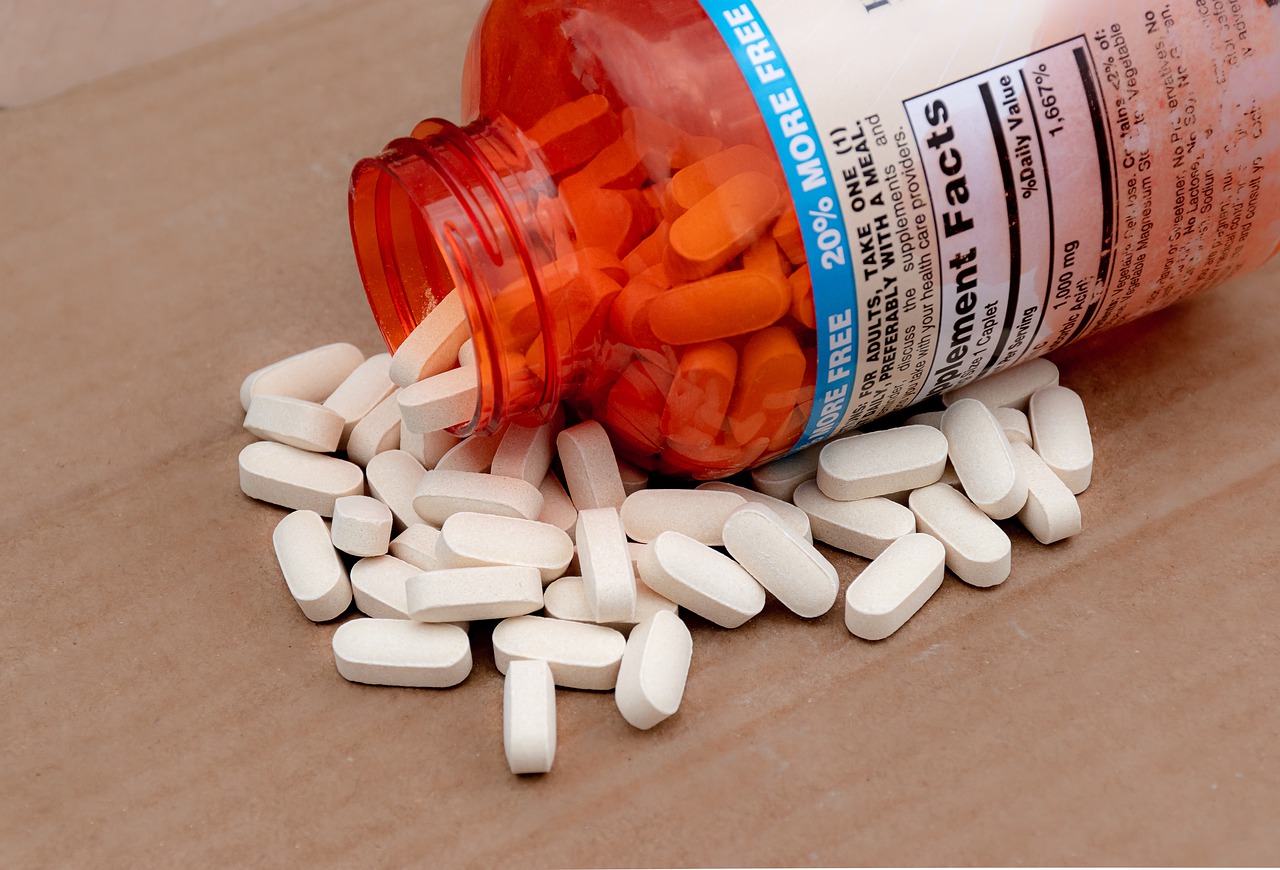
If you aren’t a fan of these fruits, instead try a digestive enzyme capsule (available from health food shops), which will give your system a gentle boost to help it do its job properly.
5. TIME OUT
It’s important to space out your meals so the digestive system actually gets a chance to rest. This might require some self-discipline, if your house is routinely full of bowls of nuts or towers of chocolate eggs.
Eating every 3-4 hours is a good benchmark to aim for, and gives the body enough time to completely digest the previous meal and have a break before you put it to work again. Of course, there will be days when your eating routine falls out of whack, but don’t beat yourself up. Just try and get back on track the following day.
6. WALK IT OFF
When you walk shortly after you’ve eaten, the magic starts to happen. To start, a gentle walk lowers your blood sugar levels, so your body makes less insulin. As insulin is the fat-storage hormone, taking a gentle stroll for 15 minutes makes you less likely to store fat and gain weight. Walking can also help you digest your food better, according to research. This is because a gentle walk increases the speed at which the food moves through the digestive system.
Go ahead – try these tips out for yourself and see if any of your symptoms improve. If you have been struggling with digestive problems for a while, let’s book in a consultation call. I can help you understand what might be going on in your gut and take greater steps towards a resolution. If you suffer with digestion problems and would like to discuss your challenges connect with me for a 30-minute complimentary call for more information and how I can help and support you on what this involves.
 Working with a Nutritional Therapist can be a powerful way of tuning into your own body, equipping you with the knowledge to recognise these signs when they present themselves, and make positive changes to benefit your long-term health and wellbeing.
Make an appointment and find out how to get relief with a:
– Customized treatment plan suited to your personal needs.
– Recovery tummy and digestional pain and symptoms of reflux, heartburn and IBS symptoms.
– Reduce aches, pains, and inflammation in muscles and joints
Click here to book a complimentary 30-minute call with me.
Or why not join our vibrant FACEBOOK community. Click this link if you would like to join the Facebook group and hear more great health information.
Look forward to hearing from you.
BWell & BSafe
Kind Regards,
Michelle

